High blood pressure creeps up quietly, but I didn’t want to wait for a wake-up call. After my doctor’s warning, I started small — just a few daily changes. What surprised me? Movement made the biggest difference, not medication or extreme diets. This is my real journey: no fluff, just honest insights on how simple, quick exercises helped me regain control — and how you can too, safely and sustainably.
The Moment Everything Changed
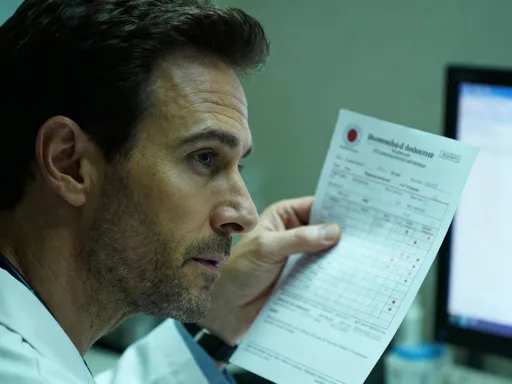
It was a routine visit to the doctor, one I almost rescheduled because I was too busy. I didn’t feel unwell — in fact, I felt fine. No headaches, no fatigue, no warning signs. But when the nurse called out my blood pressure reading — 145 over 92 — something inside me shifted. The doctor said, “You’re in the high-normal range. We need to talk about prevention.” Those words landed like a stone in still water. I wasn’t diagnosed with hypertension yet, but I was knocking on its door.
That moment sparked more than concern — it sparked clarity. I had always assumed high blood pressure was something that happened to people who were older, overweight, or stressed all the time. But there I was, a 47-year-old woman who exercised occasionally, ate salads sometimes, and considered herself “pretty healthy.” The reality check was humbling. I realized that feeling fine didn’t mean my body was fine. High blood pressure doesn’t announce itself with pain or visible symptoms. It works silently, damaging arteries, straining the heart, and increasing the risk of serious health events over time. And the scariest part? Many people don’t know they have it until it’s too late.
That day, I made a quiet promise to myself: I wouldn’t wait for a crisis. I would act now, while I still had the chance to reverse the trend. I didn’t want to rely solely on medication. I wanted to understand what I could do — within my daily life — to make a real difference. And so began a journey not of drastic overhauls, but of small, sustainable choices that added up in powerful ways.
Why Blood Pressure Deserves Your Attention — Even If You Feel Fine
Blood pressure is often called the “silent killer” for a reason. Unlike other health issues that come with obvious signals — like a fever or an injury — high blood pressure usually gives no immediate warning. You can have it for years and never feel a thing, even as it quietly harms your cardiovascular system. The numbers matter because they reflect the force of blood pushing against the walls of your arteries. When that force is consistently too high, it causes wear and tear — like a garden hose under constant high pressure. Over time, the walls of the arteries become stiff, less flexible, and more prone to damage.
Think of your heart as a pump and your arteries as pipes. Every time your heart beats, it sends blood through those pipes. If the pressure is too high, the heart has to work harder, and the arteries bear the brunt of that strain. This can lead to serious complications down the line, including heart disease, stroke, and kidney problems. The Centers for Disease Control and Prevention estimates that nearly half of all adults in the United States have high blood pressure, and many don’t even know it. That’s why regular check-ups are so important — they can catch problems before symptoms appear.
Another common misconception is that only certain types of people are at risk. While age, family history, and weight can play a role, high blood pressure doesn’t discriminate. Women in their 40s and 50s — especially during and after menopause — face increased risks due to hormonal changes. Stress, lack of sleep, and sedentary lifestyles also contribute, even for those who appear healthy on the outside. The truth is, anyone can develop high blood pressure. That’s why awareness is the first defense. Knowing your numbers, understanding what they mean, and taking early action can make all the difference.
Exercise: Not a Cure, But a Powerful Tool
When I first learned about my elevated blood pressure, my instinct was to look for a quick fix — a pill, a special diet, something immediate. But my doctor reminded me that while medication can be necessary for some, lifestyle changes are often the most effective long-term strategy. Among all the tools available, physical activity stood out as one of the most powerful. Not because it’s a cure, but because it directly supports the body’s natural ability to regulate blood pressure.
Here’s how it works: when you move, your muscles contract and help pump blood back to your heart. This improves circulation and reduces the workload on your heart. Over time, regular exercise helps your blood vessels stay flexible and responsive. It also supports the release of nitric oxide, a compound that helps blood vessels relax and widen, which lowers resistance and, in turn, lowers blood pressure. Studies have shown that consistent physical activity can reduce systolic blood pressure (the top number) by as much as 5 to 8 millimeters of mercury — a significant drop that can move someone out of the high-risk category.
What’s encouraging is that you don’t need to run marathons or spend hours in the gym to see benefits. The key isn’t intensity — it’s consistency. Even moderate activities, when done regularly, can create meaningful change. The American Heart Association recommends at least 150 minutes of moderate-intensity aerobic activity per week, which breaks down to about 30 minutes a day, five days a week. But even shorter bouts of movement — like 10-minute walks — count when they add up. The goal is to make movement a natural part of your day, not a chore you dread.
My Go-To Quick Moves That Actually Fit Real Life
I’ll be honest — I tried a lot of routines when I first started. Some were too complicated, others too time-consuming. What worked weren’t elaborate workouts, but simple, repeatable actions I could do without special equipment or a gym membership. These five moves became my foundation because they fit into the cracks of my day — during commercial breaks, while waiting for dinner to cook, or even standing at the sink.
The first was brisk walking. I started with just 10 minutes after dinner. No special gear, no playlist — just me, my sneakers, and the neighborhood sidewalks. Over time, I increased it to 20 or 30 minutes most days. Walking isn’t flashy, but it’s effective. It gets the heart rate up gently, improves circulation, and helps clear the mind after a long day. I found that pairing it with something enjoyable — like listening to a podcast or calling a friend — made it easier to stick with.
Next came stair climbing. Instead of taking the elevator at work or at the mall, I took the stairs whenever possible. Even two or three flights a day made a difference. It’s a simple way to build lower-body strength and boost cardiovascular health without setting aside extra time. At home, I did a few slow sets of up and down the basement stairs during TV commercials.
Chair squats were another favorite. All you need is a sturdy chair. Stand in front of it, feet shoulder-width apart, and slowly lower yourself as if sitting down — then rise back up without fully sitting. I started with five reps and worked up to 15. This movement strengthens the legs and glutes, supports balance, and gets the blood flowing. I did them while waiting for the kettle to boil or during phone calls.
For upper body, I used water bottles as light weights. Two 16-ounce bottles filled with water became my go-to for arm lifts. I did front raises, side raises, and overhead presses — 10 to 15 reps each. It only took five minutes, but it helped improve posture and upper-body tone. I even did them while watching the morning news.
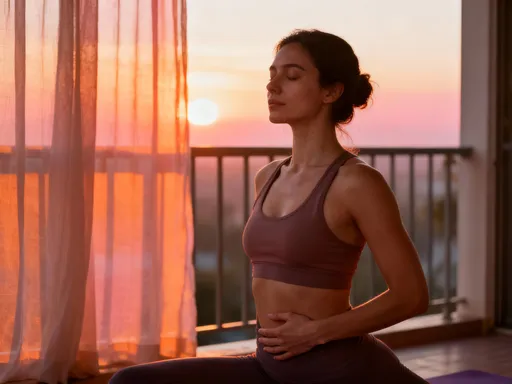
Finally, I always ended with a cooldown of deep breathing. Sitting quietly, I inhaled slowly through my nose for four counts, held for four, and exhaled through my mouth for six. This simple practice helped lower my heart rate, reduce stress, and signal to my body that it was time to relax. Over time, I noticed my resting blood pressure readings improved, especially when I included this breathing routine daily.
How to Start Without Overwhelm — The 3-Minute Rule
One of the biggest obstacles I faced wasn’t lack of time — it was lack of motivation. On busy or tiring days, the idea of a 30-minute workout felt impossible. That’s when I discovered the “3-minute rule,” a simple but powerful idea: commit to just three minutes of movement. That’s it. No pressure to do more. Just start.
What I found was surprising — most of the time, once I started, I kept going. Three minutes of walking often turned into ten. Three minutes of arm lifts led to a full mini-session. The act of beginning broke the inertia. This approach is supported by behavior science: small actions reduce the mental resistance to starting, and completion builds confidence. Over time, those tiny efforts compound into real habit.
I also learned the importance of tracking and celebrating small wins. I used a simple calendar on the fridge, putting a checkmark for each day I moved for at least three minutes. Seeing the chain of checks grow motivated me to keep going. I didn’t judge days when I only did the minimum — I celebrated them. Progress isn’t about perfection; it’s about showing up, even in small ways. And those small ways add up to big changes.
What to Watch For — Safety First, Always
While physical activity is one of the best things you can do for blood pressure, it’s important to approach it safely — especially if you’re new to exercise or have other health concerns. Before I started, my doctor reviewed my numbers and gave me the green light, but also shared important guidelines. That conversation was a reminder that empowerment comes with responsibility.
Not all exercises are safe for everyone with elevated blood pressure. Activities that involve heavy lifting, straining, or holding your breath (like intense weightlifting or certain yoga poses) can cause a sudden spike in pressure and should be approached with caution. The goal is steady, rhythmic movement — not pushing to exhaustion. If you feel chest pain, dizziness, shortness of breath, or extreme fatigue during or after exercise, stop immediately and consult a healthcare provider.
It’s also important to warm up and cool down. Jumping straight into intense activity can strain the heart, especially if you’re not used to it. A few minutes of gentle movement — like marching in place or arm circles — prepares the body. Similarly, ending with slow breathing or stretching helps the heart rate return to normal gradually. Hydration matters too — drink water before, during, and after activity, especially in warm weather.
The bottom line: listen to your body. If something doesn’t feel right, it probably isn’t. Movement should leave you feeling energized, not drained. And if you’re unsure where to start, talk to your doctor or a certified fitness professional who understands blood pressure management. Safety isn’t a barrier to progress — it’s the foundation of it.
Beyond the Workout — How Daily Habits Multiply Results
Exercise didn’t work in isolation — it became a gateway to other healthy changes. As I moved more, I started sleeping better. Better sleep helped me manage stress more effectively. And with lower stress, I found myself making calmer food choices — less impulse snacking, more mindful eating. One positive habit made the next one easier.
For example, my evening walks didn’t just help my blood pressure — they replaced the habit of sitting with a snack in front of the TV. I still enjoyed treats occasionally, but the urge to eat out of boredom or stress diminished. I also became more aware of sodium in my diet. Without going on a strict “low-salt” plan, I started reading labels, choosing fresh over processed foods, and using herbs and spices for flavor instead of salt. These weren’t drastic changes, but they supported the work I was doing with movement.
Stress management played a big role too. I began incorporating short mindfulness breaks during the day — pausing to breathe deeply, stepping outside for fresh air, or simply sitting quietly for a few minutes. These moments of calm helped regulate my nervous system, which in turn supported healthy blood pressure levels. I realized that self-care wasn’t selfish — it was essential for long-term health.
The synergy between these habits was powerful. Movement improved my mood, which made it easier to stick with healthy routines. Better sleep gave me more energy to stay active. And each small win built confidence that I could keep going. It wasn’t about doing everything perfectly — it was about creating a life where healthy choices felt natural, not forced.
Final Thoughts: A Lifelong Commitment, Not a Quick Fix
Today, my blood pressure readings are consistently in the healthy range. I didn’t get there overnight, and it wasn’t because of any miracle solution. It happened because I made a series of small, deliberate choices — day after day, week after week. I learned that consistency beats intensity every time. It’s not about how hard you go, but how often you show up.
Managing blood pressure isn’t a destination — it’s a lifelong commitment. There will be days when you’re tired, busy, or unmotivated. And that’s okay. What matters is returning to the habit, even if it’s just for three minutes. Real change doesn’t come from grand gestures. It comes from the quiet decision to move, to breathe, to care for yourself in simple but meaningful ways.
If you’re reading this and feeling overwhelmed, start small. Pick one thing — a short walk, a few chair squats, a moment of deep breathing — and do it today. Let that be your beginning. Your body is listening. And with every small step, you’re not just lowering numbers — you’re building a healthier, more vibrant life. That’s a promise worth keeping.