We’ve all been there—hitting snooze one too many times, dragging through mornings, and wondering why we still feel exhausted despite sleeping eight hours. For months, I struggled to find a rhythm, until I started using a simple health app that tracks and adjusts my sleep schedule based on real daily patterns. It didn’t demand perfection. Instead, it gently guided me, learning from my habits and syncing with my medical records to offer personalized insights. This is the story of how technology finally made rest feel possible.
The Morning Struggle That Felt Impossible to Break
For years, my mornings began the same way: groggy, rushed, and defeated. I’d wake up with my heart pounding, already behind—kids needing breakfast, work emails piling up, and me standing in the kitchen, barely able to focus on pouring the cereal. I tried everything: setting multiple alarms, drinking green juice, even buying one of those sunrise lamps that slowly brightens like a fake dawn. But nothing stuck. I’d go to bed early one night, only to lie awake staring at the ceiling the next. The cycle was exhausting, and honestly, it started to make me feel like I was failing—not just at sleep, but at life.
I blamed a lot of things—my age, my busy schedule, the coffee I drank after 3 p.m. I even thought my mattress was the villain. But deep down, I knew it wasn’t just about the hours I spent in bed. It was about consistency, rhythm, and understanding what my body actually needed. I didn’t need another rigid rule like ‘be in bed by 10’—I needed something flexible, something that saw me as a real person with real days. That’s when a friend mentioned the app she’d been using. She wasn’t a tech person—she was a mom of three, like me—so when she said it changed her sleep, I listened. She didn’t sound like she was selling something. She just sounded... rested.
She told me it didn’t feel like a tracker or a taskmaster. It was more like a quiet companion that noticed things she didn’t—like how her energy dipped after skipping lunch or how she slept better when she avoided screens after 8:30. That’s what got me curious. Not another ‘fix’ but something that observed, learned, and gently responded. I realized I didn’t need more willpower. I needed support that fit my life, not fought against it. And honestly, that was the turning point—when I stopped trying to force myself into someone else’s idea of ‘healthy’ and started looking for a tool that worked with me, not against me.
Discovering the App: A Tool That Actually Listened
I’ll admit, I was skeptical at first. I’ve downloaded plenty of health apps—step counters, water trackers, meditation timers—and most ended up deleted within a week. They either felt too robotic or too pushy, like a digital drill sergeant yelling at me to ‘move more!’ or ‘sleep now!’ This one was different from the start. When I set it up, it asked for permission to connect with my health profile, including my medical history and past doctor visits. That surprised me. Most apps don’t go there. But this one wasn’t just collecting sleep data—it was trying to understand the full picture.
After linking my records, it noticed I’d been flagged for mild fatigue during my last physical. It also saw that I’d mentioned trouble winding down after stressful days. So instead of saying, ‘Go to bed earlier!’—which I’d heard a thousand times—it said, ‘Your body may need a longer wind-down. Try dimming lights 30 minutes before bed.’ That felt personal. It wasn’t guessing. It was responding. And that made all the difference. I didn’t feel judged or overwhelmed. I felt seen.
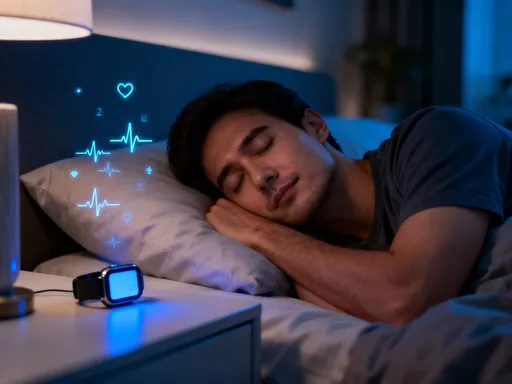
The first week, it didn’t change anything. It just watched—tracking when I fell asleep, how often I woke up, how I rated my energy the next morning. Then, slowly, it started offering tiny suggestions. ‘You slept better last night after your evening walk—try to repeat that.’ Or, ‘Late meals may be affecting your rest—consider eating dinner 30 minutes earlier.’ These weren’t demands. They were observations, like a friend quietly noticing patterns you’ve missed. I started to trust it because it wasn’t trying to fix everything at once. It was patient. And for the first time in years, I felt like I had a partner in this, not another voice telling me I was doing it wrong.
How It Learned My Life, Not Just My Sleep
What really changed things was how the app adapted to my real life—not some ideal version of it. I’m not someone who can stick to a perfect routine. Some nights, I’m up late helping my daughter with a school project. Other days, I forget to eat lunch because I’m on back-to-back calls. Life happens. And instead of punishing me for it, the app adjusted. If I stayed up late, it didn’t shame me the next morning. Instead, it suggested a slightly later wake-up time and reminded me to step outside for some sunlight when I could. It knew my body needed light to reset, so it didn’t just say ‘get up’—it said, ‘Your circadian rhythm loves morning light. Even five minutes helps.’
Over time, it began to predict things I didn’t even notice. Like how my sleep dipped after a weekend with lots of social events or how I felt sharper on days I drank enough water. It started sending little nudges: ‘You’ve had a busy week—tonight might be a good night to skip the news and read instead.’ It wasn’t bossy. It was thoughtful. And because it had access to my health background—like my tendency toward low iron and occasional stress-related fatigue—it tailored its advice accordingly. For example, it reminded me to take my supplement at dinner, not bedtime, because it knew absorption was better earlier.
The more I used it, the smarter it got. It learned that I’m not a morning workout person—that I actually do better when I move in the late afternoon. So instead of pushing me to ‘rise and shine with a run,’ it suggested a 15-minute stretch after work. That small shift made exercise feel doable, not draining. It wasn’t trying to turn me into someone I’m not. It was helping me become the best version of who I already am. And that’s what made it feel trustworthy. It wasn’t selling a fantasy. It was supporting my reality.
Small Changes, Big Shifts in Daily Energy
The changes didn’t happen overnight, but about four weeks in, I noticed something strange: I was waking up before my alarm. Not groggy. Not reluctantly. Actually ready to start the day. At first, I thought it was a fluke. But it kept happening. And with it came other shifts—my focus in the morning improved, I stopped reaching for that second cup of coffee by 10 a.m., and I wasn’t crashing by 3 p.m. I started feeling like I had more time, even though my schedule hadn’t changed. It was like my energy had stretched, giving me more of the day to actually enjoy.
The app didn’t force a strict bedtime. Instead, it helped me shift gradually—just 15 to 20 minutes earlier each week, in a way that felt natural. It timed these shifts based on my natural wind-down patterns, which it had learned over time. On nights when I needed more relaxation, it sent a soft reminder: ‘Your body prefers calm now. Try gentle music or deep breathing.’ I loved that it didn’t say ‘stop scrolling’—it just offered a kind alternative. And because it came from a place of understanding, not judgment, I actually listened.
One of the biggest wins was how it handled setbacks. When I traveled or had a late night, it didn’t reset my progress or act like I’d failed. Instead, it helped me recover—suggesting hydration, a short nap, or an early bedtime the next night. It celebrated small wins, like seven consistent nights of good sleep, with a quiet ‘Well done. Your body thanks you.’ That kind of encouragement made me want to keep going. It wasn’t about perfection. It was about progress. And for someone who’s spent years feeling like I was falling short, that made all the difference.
Sharing Progress with My Doctor Made a Difference
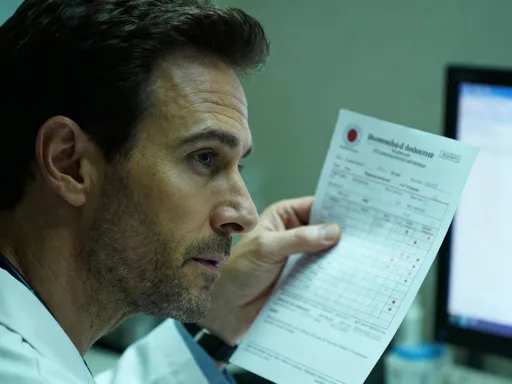
When I went to my annual check-up, I brought my phone. I showed my doctor the sleep reports the app had generated—trends in my sleep quality, consistency, and how my energy levels tracked over time. She didn’t just glance at it—she leaned in. ‘This is really helpful,’ she said. ‘It shows your real-life patterns, not just what you remember telling me.’ That moment was powerful. For once, I wasn’t trying to recall how many times I woke up last week or how I felt on Tuesday morning. I had data—clear, consistent, and honest.
Together, we looked at the insights. She noticed that my sleep dipped on days I skipped meals, which we both agreed was a sign of low blood sugar affecting rest. She also saw that my best sleep followed days with light movement, not intense workouts. Based on that, we adjusted my magnesium supplement timing and talked about adding a short evening walk to my routine. It wasn’t a lecture. It was a conversation—collaborative, informed, and focused on what would actually work for me.
What surprised me most was how the app helped bridge the gap between my daily life and medical care. My doctor said she often hears patients say, ‘I sleep fine,’ but the data tells a different story. Having this tool gave us both a clearer picture. It turned a vague complaint into a shared plan. And that made me feel more in control of my health. I wasn’t just showing up hoping for answers. I was bringing evidence, insights, and questions that mattered. That shift—from passive patient to active partner—was worth more than I expected.
How It Fits Into Family Life Without Adding Stress
One of my biggest fears was that this app would feel like another chore—something else to manage, another notification to respond to. But the opposite happened. It actually simplified things. Because it learned my rhythms, it didn’t bombard me with alerts. It only reached out when it mattered—like a soft chime in the evening saying, ‘Time to start winding down.’ My partner noticed the change in me first. I wasn’t snapping in the mornings. I wasn’t dragging through dinner. He asked what I was doing differently, and I showed him the app.
He started using it too—not because I pushed him, but because he saw how much calmer I’d become. Now, we use the wind-down alert as a family cue. When it goes off, we turn off the TV, dim the lights, and switch to quiet time. It’s become our ritual. No arguments about screen time. No fights over bedtime. Just a gentle signal that the day is closing. It’s brought us into better sync, not just in sleep, but in how we move through the evening together.
The app also respects boundaries. It doesn’t demand long check-ins or complicated logs. Just a quick tap to say how I slept or how I’m feeling. It doesn’t ask for everything—just enough to keep learning. And because it’s designed to be low-effort, it’s stuck. It’s not another thing on my to-do list. It’s part of the background, like brushing my teeth or locking the door at night. It’s there, quiet and consistent, helping without adding pressure. And for a busy woman juggling work, family, and self-care, that kind of support is priceless.
Why This Isn’t Just Another Tech Gimmick
Let’s be honest—there are hundreds of sleep apps out there. Many promise miracles: ‘Sleep better in 7 days!’ or ‘Wake up refreshed every morning!’ But most treat sleep as a standalone goal, like a task to check off. This one is different because it sees sleep as part of a bigger picture—your health, your habits, your life. By connecting with your medical records, it understands your history. It knows if you’ve struggled with fatigue, anxiety, or hormonal shifts. It doesn’t ignore context. It uses it.
That’s why it doesn’t push perfection. It knows you’ll have late nights. It knows life gets messy. So instead of shaming you, it helps you recover. It’s built for real people, not lab conditions. And because it’s designed for long-term use, it evolves with you. As your routine changes, as your body changes, it adapts. It’s not a quick fix. It’s a lifelong companion.
But the real magic isn’t in the data or the algorithms. It’s in how it makes you feel—supported, understood, capable. It doesn’t make you feel like you’re failing. It shows you how far you’ve come. It celebrates the small wins—the earlier bedtime, the morning without coffee, the deep, uninterrupted sleep. And over time, those moments add up to something bigger: a life where rest isn’t a struggle, but a natural part of how you live.
This app didn’t just change my sleep. It changed how I see myself. I’m not someone who ‘can’t sleep.’ I’m someone who’s learning, adjusting, and growing—with a little help. And that shift in mindset? That’s been the most powerful change of all. Because when you feel supported, you’re more likely to keep going. When you see progress, you believe in change. And when technology works quietly, kindly, and consistently, it doesn’t feel like a gadget. It feels like a friend—one who’s helping you build a calmer, brighter, more energized life, one night at a time.