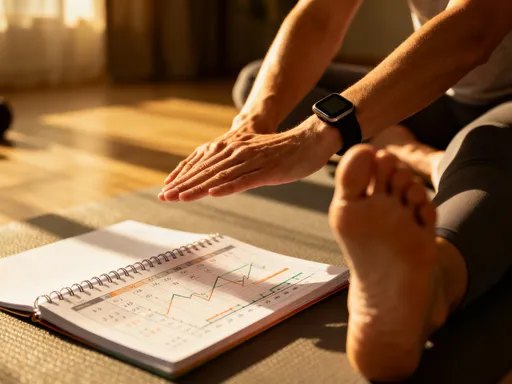
Aging isn’t something we can stop—but how we age is more within our control than most realize. For years, I ignored the small signs: slower recovery, less energy, skin changes. Then I committed to long-term habits backed by science, not hype. This isn’t about quick fixes. It’s about daily choices that add up. What if feeling vibrant at 50, 60, or beyond isn’t luck—but the result of consistent, mindful action? The truth is, aging begins earlier than many assume, often in our 30s and 40s, when subtle shifts in energy, strength, and sleep start to appear. Recognizing these signals—and responding with intention—can redefine how we experience the decades ahead.
The Wake-Up Call: Recognizing the Real Signs of Aging
Many people dismiss early changes as normal wear and tear, only to find themselves struggling later with fatigue, stiffness, or unexplained weight gain. Yet these are not just signs of getting older—they are signals from the body that systems are beginning to shift. In the 30s and 40s, metabolism starts to slow, muscle mass begins to decline, and hormonal fluctuations can affect sleep, mood, and energy. Women may notice changes during perimenopause, while men might experience gradual drops in testosterone. These transitions are natural, but they don’t have to lead to decline.
One of the most common early signs is mental fog—difficulty concentrating, forgetfulness, or feeling mentally drained by midday. This can be linked to poor sleep quality, stress, or nutritional imbalances. Another overlooked signal is reduced recovery time after physical activity. What once required a day to bounce back from now takes two or three. Joint stiffness, especially in the morning, and changes in skin elasticity are also early markers. These are not flaws—they are invitations to pay closer attention.
Ignoring these cues often leads to a cycle of reactive health management: treating symptoms rather than supporting overall vitality. The shift from passive to proactive health starts with awareness. When we recognize that aging is a lifelong process—not a sudden event—we can begin to make choices that support resilience. Acknowledging these early signs is not about fear; it’s about empowerment. It’s the first step toward building a lifestyle that doesn’t just add years to life, but life to years.
Why Long-Term Thinking Beats Quick Fixes
In a world of instant results and viral wellness trends, it’s easy to chase rapid transformations—detox teas, extreme diets, or miracle supplements promising overnight change. But decades of research show that lasting health isn’t built in 30-day challenges. It’s cultivated through consistent, science-backed habits that support the body’s natural systems over time. The difference between short-term interventions and long-term strategies lies in sustainability. Quick fixes often lead to burnout, frustration, or even metabolic slowdown, while gradual changes become part of a person’s daily rhythm.
The concept of healthspan—how many years we live in good health—is now at the forefront of aging research. Studies suggest that lifestyle factors like diet, movement, sleep, and stress management can extend healthspan by up to 10–15 years. Unlike lifespan, which simply measures how long we live, healthspan focuses on quality of life. It’s the difference between spending your 70s active and engaged versus managing multiple chronic conditions.
Long-term thinking means investing in habits that support cellular health. For example, telomeres—protective caps on the ends of chromosomes—shorten with age and stress, but research shows that healthy lifestyle choices can slow this process. A study published in *The Lancet Oncology* found that men who adopted a plant-based diet, exercised regularly, managed stress, and maintained strong social connections showed increased telomere length over five years. This doesn’t mean reversing aging, but it does show that our daily choices influence how our cells age.
The real power of long-term habits lies in compounding effects. Just as small financial investments grow over time, so do small health choices. Choosing a walk over scrolling, preparing a balanced meal instead of grabbing fast food, or prioritizing sleep even when the day is busy—these decisions may seem minor, but they accumulate. Over months and years, they shape energy levels, cognitive function, and physical resilience. The earlier we start, the greater the benefit—but it’s never too late to begin.
Movement as Medicine: Building a Lifetime Fitness Routine
Exercise is one of the most powerful tools for healthy aging, yet many people associate it only with weight loss or appearance. In reality, movement is medicine for the entire body. It supports heart health, brain function, joint mobility, and emotional well-being. The key is not intensity alone, but consistency and variety. A well-rounded fitness routine includes three essential components: strength training, aerobic activity, and flexibility work. Each plays a unique role in maintaining vitality as we age.
After age 40, adults lose about 3–5% of muscle mass per decade—a condition known as sarcopenia. This loss contributes to weakness, reduced metabolism, and increased fall risk. Strength training is the most effective countermeasure. Lifting weights, using resistance bands, or doing bodyweight exercises like squats and push-ups helps preserve and even rebuild muscle. Research from the *Journal of the American Geriatrics Society* shows that regular resistance training can increase muscle strength by 25–100% in older adults, regardless of when they start.
Aerobic exercise—such as brisk walking, cycling, or swimming—supports cardiovascular health and brain function. It improves circulation, lowers blood pressure, and enhances mood by increasing endorphins and reducing inflammation. The American Heart Association recommends at least 150 minutes of moderate-intensity aerobic activity per week. For many women in midlife, this can be as simple as a daily 30-minute walk, ideally outdoors to combine movement with nature exposure.
Flexibility and balance are often overlooked but equally important. Stretching, yoga, or tai chi improve range of motion, reduce stiffness, and prevent injury. They also support posture and confidence in movement. A routine that includes all three types of exercise—strength, cardio, and flexibility—creates a foundation for lifelong mobility. The goal isn’t perfection, but consistency. Even two to three sessions per week can make a meaningful difference over time.
Fueling Longevity: The Role of Nutrition in Aging Well
What we eat directly influences how we age. Food is not just fuel—it’s information for our cells. Diets high in processed foods, added sugars, and unhealthy fats contribute to chronic inflammation, a key driver of aging and age-related diseases. On the other hand, whole, nutrient-dense foods support cellular repair, gut health, and energy production. The goal is not rigid dieting, but building an eating pattern that nourishes the body for decades.
Diets linked to longer healthspans—such as the Mediterranean, DASH, or plant-forward patterns—share common features: they emphasize vegetables, fruits, legumes, whole grains, nuts, seeds, healthy fats like olive oil, and lean proteins such as fish, poultry, or plant-based sources. These foods are rich in antioxidants, fiber, and essential nutrients that protect cells from damage. For example, leafy greens provide vitamin K and folate, while fatty fish like salmon offer omega-3 fatty acids, which support brain and heart health.
One of the most impactful changes is reducing ultra-processed foods. These include packaged snacks, sugary drinks, refined grains, and processed meats. A study in *The BMJ* found that higher consumption of ultra-processed foods was associated with increased risk of cardiovascular disease and premature death. Replacing these with whole foods doesn’t require drastic overhauls. Simple swaps—like choosing oatmeal with berries instead of sugary cereal, or snacking on almonds instead of chips—can reduce inflammation and stabilize energy levels.
Hydration is another critical but often neglected aspect of nutrition. As we age, the body’s thirst mechanism becomes less sensitive, increasing the risk of dehydration. Chronic dehydration can lead to fatigue, constipation, and cognitive dullness. Drinking water throughout the day, along with hydrating foods like cucumbers, oranges, and soups, supports circulation, digestion, and mental clarity. The goal is not to count every ounce, but to make hydration a natural part of the day.
Sleep and Stress: The Invisible Drivers of Aging
While diet and exercise are often prioritized, sleep and stress management are equally vital yet frequently underestimated. Poor sleep and chronic stress silently accelerate aging by disrupting hormonal balance, weakening immunity, and increasing inflammation. Cortisol, the primary stress hormone, rises during periods of pressure. When elevated for long periods, it can lead to weight gain—especially around the abdomen—insulin resistance, and mood disturbances.
Sleep is when the body repairs tissues, consolidates memories, and clears metabolic waste from the brain. Adults need 7–9 hours per night, but many fall short due to stress, screen time, or hormonal changes. Disrupted sleep is linked to higher risks of cognitive decline, heart disease, and depression. Establishing a consistent sleep schedule—even on weekends—helps regulate the circadian rhythm. Creating a calming bedtime routine, such as reading, gentle stretching, or dimming lights, signals the body that it’s time to wind down.
Managing stress is not about eliminating it—some stress is normal and even beneficial—but about building resilience. Chronic stress keeps the nervous system in a constant state of alert, which wears down the body over time. Mindfulness practices, such as meditation or deep breathing, activate the parasympathetic nervous system, promoting relaxation. Even five minutes of slow, intentional breathing can lower cortisol levels and improve focus.
Daily habits also play a role. Taking short breaks during the day, spending time in nature, or engaging in creative activities can reduce mental fatigue. Setting boundaries—such as limiting work emails after dinner or saying no to excessive commitments—protects emotional energy. Over time, these small acts of self-care build a buffer against stress, allowing the body to recover and maintain balance.
The Power of Prevention: Monitoring and Adapting Over Time
Proactive health means staying ahead of problems, not waiting for symptoms to appear. Regular check-ups, blood work, and body composition assessments provide valuable insights into how the body is functioning. These tools help detect early signs of imbalances—such as changes in cholesterol, blood sugar, or hormone levels—before they develop into more serious conditions.
Blood tests can reveal inflammation markers like C-reactive protein (CRP), liver and kidney function, vitamin D and B12 levels, and thyroid health. Body composition scans measure muscle mass, fat distribution, and bone density, offering a clearer picture than weight alone. For women, tracking bone density is especially important, as bone loss accelerates after menopause, increasing osteoporosis risk.
Mental health is equally important. Regular self-check-ins—assessing mood, energy, and stress levels—can highlight areas needing attention. Talking to a healthcare provider about emotional well-being is not a sign of weakness, but of strength. Depression and anxiety are common at midlife, often linked to hormonal shifts, life transitions, or unmet expectations.
The goal is not to obsess over numbers, but to use data as a guide. Working with trusted professionals—primary care doctors, dietitians, or therapists—ensures that changes are interpreted accurately and that recommendations are personalized. As needs evolve with age, so should strategies. What worked at 40 may need adjustment at 50. Regular monitoring allows for timely adaptations, keeping health on track.
Building a Life That Supports Longevity
True longevity is not just about adding years—it’s about creating a life that feels meaningful, connected, and joyful. Physical health is deeply intertwined with emotional and social well-being. Strong relationships, a sense of purpose, and a supportive environment are powerful predictors of long-term health. Studies show that people with close social ties have lower risks of heart disease, dementia, and early death.
Engaging in activities that bring fulfillment—whether volunteering, pursuing hobbies, or spending time with loved ones—boosts mental resilience. Purpose doesn’t have to be grand; it can be found in daily routines, caring for family, or contributing to a community. Women who report a strong sense of purpose in midlife are more likely to maintain cognitive function and physical independence in later years.
The environment also matters. Creating a home that encourages healthy habits—such as a kitchen stocked with whole foods, a dedicated space for movement, or a bedroom optimized for sleep—makes good choices easier. Surrounding oneself with supportive people who share similar values reinforces positive behaviors.
Aging is not a decline to be feared, but a phase to be embraced with intention. The habits that support vitality—moving the body, eating well, sleeping deeply, managing stress, staying connected—are not complicated, but they require consistency. Starting earlier offers greater benefits, but it’s never too late to begin. Every small choice is a step toward a more vibrant, resilient future. The goal is not to stop time, but to live well within it—fully, mindfully, and with gratitude for the body and life we have.