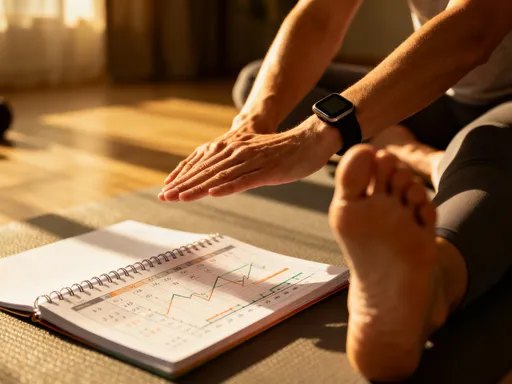
I used to think rehab was just for injuries — until I tried it myself. What started as stiff mornings and nagging aches turned into real limits on my daily life. That’s when I began exploring rehabilitation training not as a quick fix, but as body care. It wasn’t magic, but with consistent, smart moves, I felt stronger and more in control. This is what actually worked — no hype, just honest lessons from someone who’s been there.
The Wake-Up Call: When Your Body Says “Enough”
Many women between the ages of 30 and 55 begin to notice subtle shifts in how their bodies feel from day to day. You might find it harder to bend down and tie your shoes, or feel a dull ache in your lower back after standing in the kitchen for dinner prep. Perhaps getting up from the sofa requires a hand on the armrest for support, or walking up a flight of stairs leaves you more winded than before. These signs are often dismissed as part of getting older, but they’re not normal — they’re signals. The human body is designed to move, and when movement becomes strained, it’s not just a minor inconvenience. It’s a conversation your body is trying to have with you.
Ignoring these early warnings can lead to more serious limitations over time. A stiff shoulder might seem like a small issue, but if left unaddressed, it can alter your posture, affect your sleep, and even contribute to neck tension or headaches. Reduced mobility in the hips can make balance less stable, increasing the risk of falls — especially as we age. Fatigue during simple tasks, like carrying groceries or playing with grandchildren, is not something to simply accept. These are not inevitable consequences of time; they are often the result of accumulated strain, poor movement habits, and a lack of focused attention on musculoskeletal health.
Rehabilitation training is not reserved for those recovering from surgery or injury. It’s a form of preventive care, much like brushing your teeth or scheduling regular check-ups. Just as you wouldn’t wait for a toothache to start flossing, you shouldn’t wait for pain to become debilitating before addressing your body’s movement patterns. The earlier you respond to these signals, the more likely you are to maintain independence, comfort, and confidence in your daily life. Listening to your body now isn’t about fixing something broken — it’s about honoring what still works and protecting it for the future.
What Rehabilitation Training Really Is (And What It Isn’t)
Rehabilitation training is a structured approach to restoring and improving physical function. It involves targeted exercises designed to enhance mobility, build strength, correct imbalances, and support joint stability. Unlike general fitness routines that often prioritize intensity or calorie burn, rehab training focuses on quality of movement, neuromuscular control, and functional ability. The goal isn’t to push your limits but to rebuild them intelligently. This means working within a safe range, paying close attention to form, and progressing at a pace that allows the body to adapt without strain.
One of the most common misconceptions is that rehab means doing nothing — that rest is the best remedy for pain or stiffness. While short-term rest may be necessary after an acute injury, prolonged inactivity often weakens muscles, reduces circulation, and can actually prolong discomfort. On the other end of the spectrum, some believe that pushing through pain with vigorous workouts will “toughen” the body. This approach can lead to further strain, especially when movement patterns are already compromised. Science shows that controlled, intentional exercise is far more effective than either extreme.
Rehab training also plays a crucial role in improving posture and joint support. Over time, daily habits — such as sitting at a desk, carrying heavy bags on one shoulder, or repetitive household motions — can create muscular imbalances. These imbalances pull the body out of alignment, leading to uneven wear on joints and soft tissues. A well-designed rehab program addresses these imbalances by strengthening underused muscles and releasing overactive ones. It also enhances neuromuscular coordination, which is the communication between your brain and muscles. When this system works efficiently, movements become smoother, more balanced, and less likely to cause strain.
Another key point is that rehabilitation is not one-size-fits-all. What works for one person may not be appropriate for another, even if they have similar symptoms. A movement that helps one woman with lower back discomfort might aggravate someone else’s condition if their underlying mechanics are different. This is why personalization matters. Effective rehab considers individual anatomy, lifestyle, medical history, and goals. It’s not about following a viral video or copying a friend’s routine — it’s about building a practice that respects your body’s unique needs.
Why So Many People Skip It (And Regret It Later)
Despite its benefits, many women delay or avoid rehabilitation training altogether. One of the most common barriers is time. Between managing family responsibilities, work, and household duties, adding another task to the day can feel overwhelming. The idea of setting aside 30 minutes for exercises might seem unrealistic, especially when immediate pain isn’t severe. But rehab doesn’t have to be time-consuming. Even five to ten minutes of focused movement, done consistently, can yield meaningful results. The real cost isn’t the time spent — it’s the long-term consequence of inaction.
Another obstacle is confusion about where to start. With so much information available online, it’s easy to feel overwhelmed by conflicting advice. Should you stretch more? Strengthen your core? Use a foam roller? Without clear guidance, many people choose to do nothing, hoping the discomfort will fade on its own. Unfortunately, minor issues rarely resolve without intervention. The body adapts to strain by compensating — using other muscles to take over for weak or stiff ones. These compensations may relieve symptoms temporarily, but they often lead to new problems down the line.
There’s also a widespread belief that rehabilitation is only for athletes or people who’ve had serious injuries. This couldn’t be further from the truth. Everyday life places demands on the body — lifting children, standing for long periods, bending and twisting during chores. These activities, repeated over years, create wear and tear. Rehabilitation training helps the body handle these demands more efficiently. It’s not about recovering from a dramatic event; it’s about maintaining resilience in the face of daily life.
Psychological factors also play a role. Denial is common — telling yourself “this is just how I feel now” or “it’s not that bad.” Underestimating the impact of small aches can lead to a gradual decline in activity, which in turn accelerates stiffness and weakness. By the time someone seeks help, the issue may have progressed to the point where recovery takes longer and requires more effort. Starting early doesn’t mean you’re broken — it means you’re proactive. And that shift in mindset can make all the difference.
The Core Principles of Effective Rehab Workouts
Successful rehabilitation is built on a few foundational principles: consistency, progressive overload, and movement quality over intensity. Consistency means showing up regularly, even when progress feels slow. The body responds best to repeated, gentle stimuli that signal safety and support. Missing a day isn’t a failure, but long gaps disrupt the momentum needed for lasting change. Think of rehab like watering a plant — occasional heavy watering won’t replace the benefit of steady, daily care.
Progressive overload is the idea of gradually increasing demand on the body in a controlled way. This doesn’t mean lifting heavier weights or doing more reps right away. In rehab, progression might look like holding a position a few seconds longer, moving through a slightly greater range, or performing an exercise with better control. The goal is to challenge the body just enough to stimulate adaptation without triggering pain or inflammation. This principle ensures that improvement continues over time, rather than plateauing.
Perhaps the most important principle is prioritizing movement quality over intensity. In general fitness, there’s often an emphasis on how many, how fast, or how hard. Rehab flips that script. It’s not about how many shoulder rolls you can do in a minute — it’s about whether each roll is smooth, controlled, and pain-free. Poor form, even in low-intensity exercises, can reinforce harmful movement patterns. That’s why attention to detail matters. Focusing on alignment, breath, and muscle engagement helps retrain the nervous system and build sustainable strength.
Other often-overlooked elements include breathing, tempo, and form. Breathing deeply during exercises helps relax the nervous system and improves oxygen flow to muscles. Slowing down the tempo — for example, taking three seconds to lower into a squat — increases time under tension and enhances control. Proper form ensures that the right muscles are doing the work, reducing strain on joints and connective tissues. These details may seem minor, but they’re what separate effective rehab from random movement. A helpful analogy is tuning a car engine: small adjustments can make a big difference in performance and longevity.
Four Proven Movement Strategies That Actually Help
There are several evidence-based movement strategies that form the backbone of effective rehabilitation. These methods are accessible, require minimal equipment, and can be adapted to various fitness levels. The first is mobility drills. These are gentle, rhythmic movements designed to improve joint range of motion and reduce stiffness. Examples include ankle circles, shoulder rolls, and cat-cow stretches. Mobility work is especially helpful in the morning or after long periods of sitting. It prepares the body for movement by increasing blood flow and lubricating joints, much like warming up a car on a cold day.
The second strategy is isometric holds. Isometrics involve contracting a muscle without moving the joint — for example, pressing your palms together in front of your chest or pushing your hand into a wall. These exercises build strength and stability without placing stress on joints, making them ideal for those with pain or limited mobility. Research shows that isometric training can reduce discomfort in conditions like tendinopathy and improve muscle activation. A simple example is a wall sit: standing with your back against a wall and sliding down until your knees are bent at 90 degrees, then holding the position. Even a 10-second hold can make a difference when done regularly.
Third is functional strength work. These are exercises that mimic everyday movements, such as standing up from a chair, stepping onto a curb, or reaching overhead. Examples include seated marches (lifting knees while sitting), standing hip extensions (moving one leg straight back), and step-ups using a low stair. Functional exercises train the body to move efficiently and safely in real life. They build strength in the muscles that support posture and balance, reducing the risk of strain during daily activities. The key is to perform them slowly and with control, focusing on alignment and muscle engagement.
The fourth strategy is active recovery. This involves low-intensity movement on rest days, such as walking, gentle yoga, or swimming. Active recovery promotes circulation, reduces muscle soreness, and supports healing. It’s not about burning calories — it’s about keeping the body moving in a way that feels good. For many women, a 15-minute walk after dinner becomes a cherished part of the routine, offering both physical and mental benefits. These four strategies — mobility, isometrics, functional strength, and active recovery — work together to create a balanced, sustainable approach to rehabilitation.
How to Make It Stick: Building a Routine That Fits Real Life
The biggest challenge isn’t knowing what to do — it’s doing it consistently. The good news is that rehabilitation doesn’t require a gym membership or hours of free time. It can be woven into the fabric of daily life. One effective method is habit stacking — linking rehab exercises to existing routines. For example, you might do ankle circles while brushing your teeth, practice wall glides (sliding your back up and down a wall) while waiting for the coffee to brew, or perform seated marches during a phone call. These small moments add up, and over time, they create meaningful change.
Another key is to track progress in ways that go beyond numbers. While fitness apps and wearable devices can be helpful, they don’t always capture how you feel. Instead, pay attention to subtle improvements: Can you reach the top shelf without discomfort? Do you feel more stable when walking on uneven ground? Are your morning aches less intense? These qualitative markers are powerful indicators of progress. Celebrating small wins helps maintain motivation and reinforces the value of the practice.
It’s also important to avoid the temptation to do too much too soon. Enthusiasm is great, but overexertion can lead to setbacks. Start with just a few exercises, two or three times a week, and gradually increase frequency and duration as your body adapts. The goal is long-term consistency, not short-term intensity. Think of rehab as a lifelong practice, not a temporary fix. When you approach it with patience and self-compassion, it becomes less of a chore and more of a form of self-care.
Creating a dedicated space at home can also help. You don’t need a full home gym — just a clear spot on the floor, a sturdy chair, and maybe a resistance band or foam roller. Keep these items visible and accessible so they serve as gentle reminders. Over time, this space can become a sanctuary for reconnecting with your body, a place where you prioritize your well-being without distraction.
When to Seek Professional Help — And Why It Matters
While many aspects of rehabilitation can be done at home, there are times when professional guidance is essential. Certain red flags should never be ignored: sharp or shooting pain, numbness or tingling in the limbs, sudden weakness, or difficulty with balance. These symptoms may indicate underlying conditions that require medical evaluation. Rehabilitation is not a substitute for diagnosis or treatment, and knowing when to seek help is a crucial part of self-care.
Physical therapists and certified rehabilitation specialists are trained to assess movement patterns, identify imbalances, and create personalized plans. They can teach you how to perform exercises correctly, adjust your routine as needed, and help you avoid common mistakes. For example, a therapist might notice that you’re overusing your neck muscles during shoulder exercises — a compensation that could lead to tension headaches. With their guidance, you can correct the pattern and build strength safely.
Professional support is especially valuable if you’re recovering from surgery, managing a chronic condition like arthritis, or dealing with persistent pain. A therapist can modify exercises to accommodate your needs and ensure that your program is both effective and safe. They can also provide tools like manual therapy, taping, or specialized equipment that aren’t available at home. While self-guided rehab has its place, expert input can accelerate progress and prevent setbacks.
Finally, working with a professional reinforces the idea that caring for your body is worth the investment. It’s not a sign of weakness to ask for help — it’s an act of wisdom. Just as you’d consult a dentist for a toothache or an electrician for a wiring issue, seeking help for movement problems is a responsible, proactive choice. It’s about giving yourself the support you need to live fully and comfortably.
Rehabilitation training is not a punishment for a body that’s “failing.” It’s an act of respect — a way of saying, “I value how you carry me through life.” When done consistently and with intention, it restores not just mobility, but confidence. It allows you to move through your days with greater ease, to play with your children or grandchildren without hesitation, to stand tall and feel strong. The journey doesn’t require perfection. It begins with listening, with one small step, one gentle movement at a time. And the truth is, it’s never too late to start. Your body has been waiting to hear that you’re ready to pay attention.