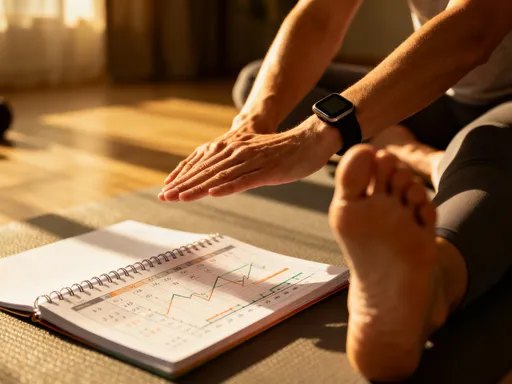
Aging isn’t something we can stop, but how we age is largely in our hands. For years, I chased quick fixes—until I shifted focus to long-term health enhancement. Small, consistent choices in movement, recovery, and mindset made visible differences. Energy improved, skin stayed resilient, and daily life felt easier. This isn’t about looking younger—it’s about being healthier as time passes. Here’s what actually works when you play the long game.
The Myth of Quick Fixes vs. the Power of Slow Gains
Many people believe that slowing aging means investing in expensive creams, high-tech scans, or extreme diet plans. These solutions are heavily marketed, promising dramatic results in weeks. Yet, more often than not, the effects are temporary, and the habits behind them are difficult to maintain. Real transformation doesn’t come from short-term interventions but from a fundamental shift in how we view aging itself. The truth is, anti-aging isn’t about turning back the clock. It’s about preserving health, function, and vitality over time. This kind of longevity isn’t achieved through magic—it’s built through consistent, everyday decisions that support the body’s natural processes.
Think of your body as a well-maintained home or a reliable vehicle. If you only address problems when they arise—like waiting for the roof to leak or the engine to stall—repairs become urgent, costly, and disruptive. But when you follow a schedule of regular maintenance—changing the oil, cleaning the gutters, checking the tires—you prevent bigger issues and extend the life of the system. The same principle applies to human health. Long-term health habits act as preventive care, strengthening the foundation so that age-related decline happens more slowly and with less impact. This is the difference between reacting to symptoms and investing in long-term well-being.
Quick fixes often fail because they ignore the complexity of the human body. Aging is influenced by a network of factors: cellular repair, hormone regulation, inflammation levels, muscle mass, and brain function. No single cream or supplement can address all these systems at once. What does work is a holistic approach—small changes that, over time, create a cumulative effect. For instance, drinking more water may seem insignificant, but over months, it improves skin elasticity, kidney function, and digestion. Similarly, taking short walks daily may not burn many calories at first, but over years, it protects heart health, maintains joint mobility, and supports mental clarity. The power lies not in intensity, but in consistency.
Adopting this mindset requires patience and a shift in expectations. Instead of asking, “Will this make me look younger next week?” ask, “Will this support my health in ten years?” This reframing helps prioritize sustainable choices over flashy but fleeting solutions. It also reduces the pressure to achieve perfection. You don’t need to overhaul your life overnight. You simply need to begin, and continue. The slow gains compound, and over time, the results become undeniable—more energy, fewer aches, better sleep, and a stronger sense of well-being. This is not just about adding years to life, but ensuring those years are lived with strength and joy.
Why Long-Term Thinking Rewires Your Health Path
Human beings are naturally drawn to immediate rewards. We want to see results quickly, which is why crash diets and intense fitness challenges remain popular despite their poor long-term success rates. However, the body does not respond well to sudden, extreme changes. It thrives on rhythm, balance, and repetition. When we adopt a long-term perspective on health, we begin to make choices that align with how our biology actually works. The benefits of regular sleep, balanced nutrition, and daily movement may not be visible in the mirror, but they are deeply felt in how we function from day to day.
At the cellular level, consistent habits support processes like autophagy—the body’s way of cleaning out damaged cells—and mitochondrial health, which affects energy production. Hormonal systems, including those that regulate stress, metabolism, and sleep, also stabilize when routines are predictable and supportive. For example, going to bed and waking up at roughly the same time each day helps regulate cortisol and melatonin, leading to better mood, sharper focus, and improved immune function. These changes take time to establish, but once they do, they create a strong foundation for healthy aging.
One of the most powerful aspects of long-term thinking is how it changes decision-making. When you view health as a lifelong investment, small choices take on greater meaning. Choosing a piece of fruit over a sugary snack isn’t just about calories—it’s about supporting stable blood sugar and reducing inflammation over decades. Taking a five-minute stretch break isn’t just about relieving tension—it’s about preserving joint health and posture as you age. Each decision becomes a deposit in your body’s health account, and over time, the interest compounds.
This mindset also reduces the guilt and frustration that often come with short-term goals. If you skip a workout or eat something indulgent, it doesn’t mean you’ve failed. In the long game, occasional deviations are normal and expected. What matters is the overall trend. Did you move most days? Did you get enough rest? Were meals mostly balanced? When you focus on patterns rather than perfection, you create a kinder, more sustainable relationship with your health. And that kindness is itself a form of longevity—chronic stress from self-criticism accelerates aging just as surely as poor diet or inactivity.
Movement That Lasts: Beyond the Gym Obsession
Exercise is widely recognized as one of the most effective tools for healthy aging, but the idea of “exercise” often brings to mind grueling gym sessions, timed workouts, and fitness trackers pushing for higher intensity. While structured workouts have their place, they are not the only—or even the most important—form of movement for long-term health. What matters more is daily motion: the accumulation of steps, stretches, and small physical efforts that keep the body active throughout the day. This kind of movement is gentle, accessible, and sustainable, making it ideal for long-term adherence.
Low-impact activities like walking, climbing stairs, gardening, or standing while working provide significant benefits without straining the joints or causing burnout. Walking, in particular, is one of the most well-researched forms of exercise for older adults. Studies show that regular walking improves cardiovascular health, strengthens bones, enhances balance, and even supports cognitive function. It also requires no special equipment, can be done at any pace, and fits easily into daily life. For many, a 30-minute walk after meals became a simple but transformative habit—one that improved digestion, regulated blood sugar, and provided mental clarity.
Another key element is mobility work—gentle stretching, yoga, or tai chi—that maintains flexibility and joint range of motion. As we age, stiffness can become a major barrier to independence. Simple routines like morning stretches or seated spinal twists help preserve mobility, reduce the risk of falls, and keep the body feeling youthful. These practices don’t need to take long. Even five to ten minutes a day can make a noticeable difference over time.
The secret to lasting movement habits is enjoyment. If physical activity feels like a chore, it won’t last. The goal is not to push the body to exhaustion but to engage it in ways that feel good. This might mean dancing in the kitchen, playing with grandchildren, or taking scenic walks in nature. When movement is tied to pleasure rather than punishment, it becomes a natural part of life. Over time, the body adapts—muscles stay strong, posture improves, and energy levels rise. And because the routine is enjoyable, there’s no need for motivation tricks or willpower. The habit sustains itself because it feels rewarding.
Recovery: The Silent Anti-Aging Superpower
In a culture that often glorifies busyness, rest is misunderstood. Many view sleep and downtime as wasted time, something to minimize in favor of productivity. But science tells a different story: recovery is not passive—it’s when the body performs its most critical repair work. During deep sleep, the brain clears out toxins, muscles rebuild, hormones rebalance, and the immune system strengthens. Without sufficient recovery, the body ages faster, both internally and externally. Chronic sleep deprivation has been linked to increased inflammation, higher risk of chronic disease, and accelerated skin aging.
Recognizing this, I made sleep hygiene a top priority. This meant setting a consistent bedtime and wake time, even on weekends. I created a nighttime routine: turning off screens an hour before bed, reading a physical book, and keeping the bedroom cool, dark, and quiet. These small changes had a dramatic effect. Within weeks, I fell asleep faster, woke up feeling more refreshed, and noticed improved focus during the day. My mood stabilized, and I felt less reactive to stress. Sleep wasn’t just restoring energy—it was enhancing resilience.
But recovery goes beyond nighttime sleep. Intentional rest during the day is equally important. Short naps, even 10 to 20 minutes, can reset the nervous system and improve alertness. Deep breathing exercises, meditation, or simply sitting quietly with eyes closed help lower cortisol levels and calm the mind. Digital detoxes—setting aside time each day to disconnect from phones and screens—also play a role in reducing mental fatigue and improving sleep quality.
One of the most surprising discoveries was that rest is not a sign of laziness but a form of self-respect. Giving the body time to recover is an act of care, not indulgence. When recovery is treated as essential, not optional, it becomes easier to say no to overcommitment and yes to well-being. Over time, this shift in attitude leads to greater balance. You don’t have to choose between being productive and being healthy. By honoring the body’s need for rest, you actually become more effective, creative, and present in your daily life. In this way, recovery becomes one of the most powerful anti-aging tools available—silent, simple, and completely within reach.
Mindset Shifts That Stick
Stress is an unavoidable part of life, but how we respond to it determines its impact on our health. Chronic stress—whether from work, family responsibilities, or financial concerns—triggers a constant release of cortisol, the body’s primary stress hormone. Over time, elevated cortisol levels contribute to weight gain, high blood pressure, weakened immunity, and even cognitive decline. Stress doesn’t just affect the mind; it ages the body from the inside out. Learning to manage stress is therefore not a luxury—it’s a necessity for long-term health.
One of the most effective strategies I adopted was regular mental check-ins. Several times a week, I would pause and ask myself simple questions: Am I eating well? Am I sleeping enough? Am I enjoying life? These moments of reflection helped me catch imbalances early, before they turned into bigger problems. They also created space between stimulus and response, allowing me to make calmer, more thoughtful decisions.
Mindfulness practices, such as deep breathing or focusing on the present moment, became essential tools. Even a few minutes of intentional breathing—inhaling slowly through the nose, holding briefly, exhaling fully—can shift the nervous system from “fight or flight” to “rest and digest.” Over time, these small resets reduced background anxiety and improved emotional regulation. I also made time for activities that brought joy and presence, like walking in nature, tending to houseplants, or listening to music. These moments weren’t frivolous—they were vital for mental recovery.
Another powerful practice was gratitude. Each week, I wrote down three things I was thankful for—a warm cup of tea, a kind message from a friend, a sunny afternoon. This simple habit didn’t change my circumstances, but it changed my perspective. It trained my brain to notice the good, even during difficult times. Research shows that gratitude is linked to lower stress, better sleep, and greater life satisfaction—all of which support healthy aging. A calm, positive mindset doesn’t eliminate challenges, but it builds the inner strength needed to face them without breaking down. And that resilience is one of the greatest gifts we can give ourselves as we grow older.
Nutrition Without Dogma: Eating for Longevity
Nutrition is a cornerstone of long-term health, yet it’s often clouded by confusion and extremes. Fad diets come and go, each promising rapid results but rarely delivering lasting change. Instead of following rigid rules or eliminating entire food groups, I chose a simpler path: eating mostly whole, minimally processed foods. This meant filling my plate with vegetables, legumes, whole grains, nuts, seeds, and lean proteins like fish, eggs, or poultry. I didn’t aim for perfection—occasional treats were still part of life—but the overall pattern shifted toward foods that nourished my body.
One of the most impactful changes was reducing added sugar and refined carbohydrates. These foods cause blood sugar spikes and crashes, leading to energy fluctuations, cravings, and increased inflammation. By choosing complex carbs like oats, sweet potatoes, and quinoa, I maintained more stable energy throughout the day. I also paid attention to hydration, drinking more water and herbal teas while cutting back on sugary drinks. Even mild dehydration can affect concentration, mood, and digestion, so staying well-hydrated became a daily priority.
The gut microbiome—trillions of bacteria in the digestive tract—plays a crucial role in overall health and aging. A diet rich in fiber from vegetables, fruits, and legumes feeds beneficial bacteria, supporting immune function, reducing inflammation, and even influencing mood. Fermented foods like yogurt, kefir, and sauerkraut also contributed to gut health, though I introduced them gradually to avoid discomfort. These choices weren’t about restriction but about inclusion—adding more of what the body needs rather than focusing on what to avoid.
Over time, the benefits became clear: fewer energy slumps, improved digestion, clearer skin, and a stronger sense of physical well-being. I didn’t lose weight dramatically, but my body composition improved—more muscle, less visceral fat. Most importantly, I no longer felt controlled by food. I ate when I was hungry, stopped when I was full, and enjoyed what I ate without guilt. This balanced, flexible approach proved far more sustainable than any extreme diet. It wasn’t about looking a certain way—it was about feeling strong, capable, and alive. And that, more than any number on a scale, is the true measure of health.
Building a Lifestyle, Not a Routine
Anti-aging isn’t a checklist of habits to be completed each day. It’s not about rigid schedules or achieving a flawless routine. It’s about creating a lifestyle—a way of living that naturally supports health, energy, and resilience over time. The most lasting changes came not from willpower, but from designing a daily rhythm that made healthy choices the easy choices. I didn’t force myself to walk—I lived near a park and made it a habit to stroll after dinner. I didn’t struggle to sleep—I created a bedroom environment that invited rest. I didn’t count calories—I kept healthy foods visible and accessible while limiting processed snacks in the house.
Progress wasn’t linear. There were weeks when motivation dipped, when travel disrupted routines, or when life felt overwhelming. But because the habits were simple and enjoyable, I could always return to them. I learned to be patient with myself, understanding that long-term health is not built in a day. Each small choice—drinking water instead of soda, taking the stairs, pausing to breathe—was a step in the right direction. Over years, these steps added up, creating a foundation of vitality that felt deeply earned.
The goal was never immortality or a wrinkle-free face. It was something more meaningful: the ability to live fully at every stage of life. To play with grandchildren without pain. To travel without fatigue. To wake up each morning feeling capable and grateful. By focusing on long-term health enhancement, I didn’t just add years to my life—I added life to my years. And that, ultimately, is the truest form of anti-aging. It’s not about resisting time, but about moving through it with strength, grace, and joy.